



As 2025 draws to a close, we’re taking a moment to look back at the brand collaborations that really stood out this year. We’ve pulled together a selection of our favourites.
The strongest creator x brand collaborations weren’t driven by follower counts or one-off ads. They were built on trust, long-term thinking and a clear understanding of how audiences actually engage with content.
From fashion and beauty to platforms and performance brands, here are ten influencer partnerships that caught our attention and why they worked.
1. Alix Earle x L’Oréal Paris

Alix Earle continued to dominate the beauty space in 2025, and her partnership with L’Oréal Paris showed how mass-market brands can collaborate with creators without losing authenticity. Her content stayed lo-fi, conversational and creator-native — even while fronting a global beauty brand.
Why it worked: High reach, low gloss. The content still felt like Alix.
2. Emma Chamberlain x Pinterest

Rather than pushing product, this collaboration leaned into creativity, mood-boarding and inspiration. Emma felt like a natural extension of Pinterest’s brand rather than a spokesperson for it.
Why it worked: Platform and creator values aligned perfectly.
3. Khaby Lame x Hugo Boss
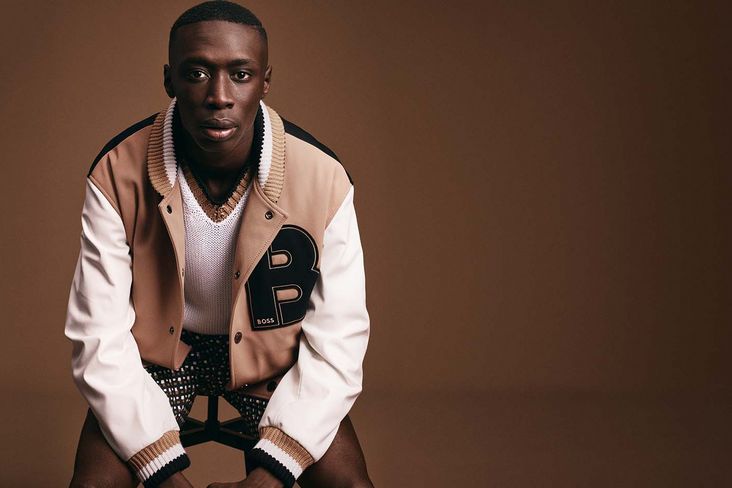
Khaby’s humour transcends language and borders — and Hugo Boss used that intelligently. The brand leaned into his signature format without forcing luxury messaging into places it didn’t belong.
Why it worked: Global appeal with minimal creative interference.
4. Nara Smith x Marc Jacobs

Marc Jacobs trusted Nara Smith’s visual storytelling and aesthetic, allowing her content style to translate naturally into high fashion. The result felt editorial, not promotional.
Why it worked: Visual alignment and creative freedom.
5. Wisdom Kaye x Coach
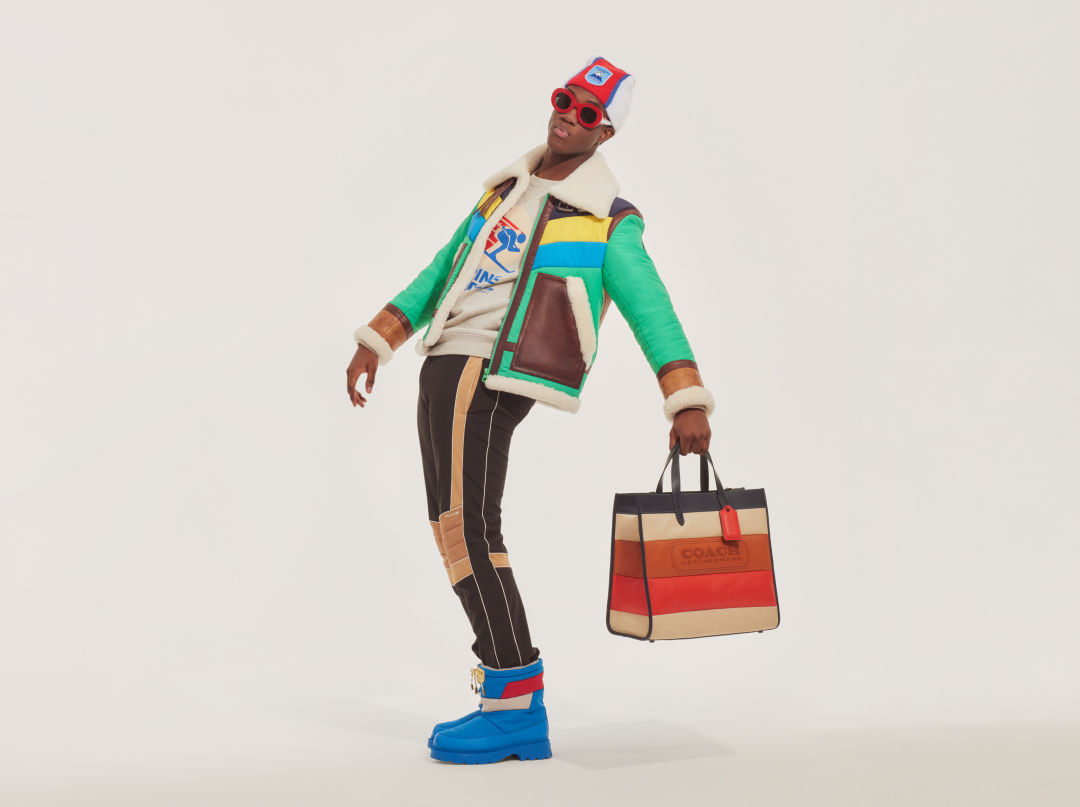
Wisdom Kaye continues to operate more like a fashion tastemaker than a traditional influencer. Coach’s partnership leaned into experimentation, editorial styling and Gen Z luxury positioning.
Why it worked: Creator as creative director, not just talent.
6. Chunkz x JD Sports

JD Sports’ ongoing investment in UK creators remained strong in 2025, with Chunkz front and centre. The partnership focused on culture, humour and community rather than overly polished campaigns.
Why it worked: Cultural relevance over campaign perfection.
7. Amelia Dimoldenberg x Bumble
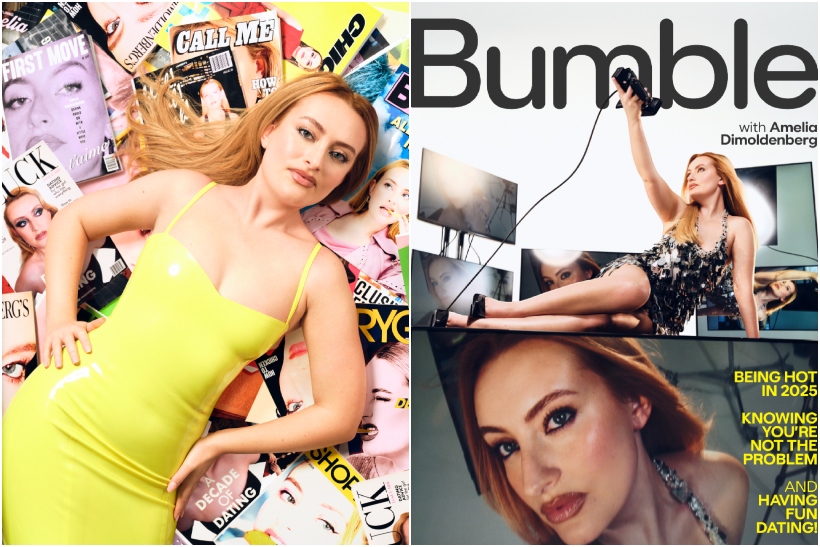
Bumble leaned into Amelia’s awkward, interview-led format rather than reshaping it. The result was funny, brand-safe and instantly recognisable.
Why it worked: Format-first thinking.
8. Monet McMichael x Maybelline

Monet’s relationship with Maybelline continued to feel more like a partnership than a campaign. Educational beauty content met storytelling — without losing pace or personality.
Why it worked: Expertise plus relatability.
9. MrBeast x Shopify

Rather than a surface-level endorsement, Shopify positioned itself as infrastructure for creator businesses. Integrated into MrBeast’s entrepreneurial narrative, the collaboration felt strategic, not performative.
Why it worked: Creator-as-business messaging done right.
10. Tinx x Airbnb
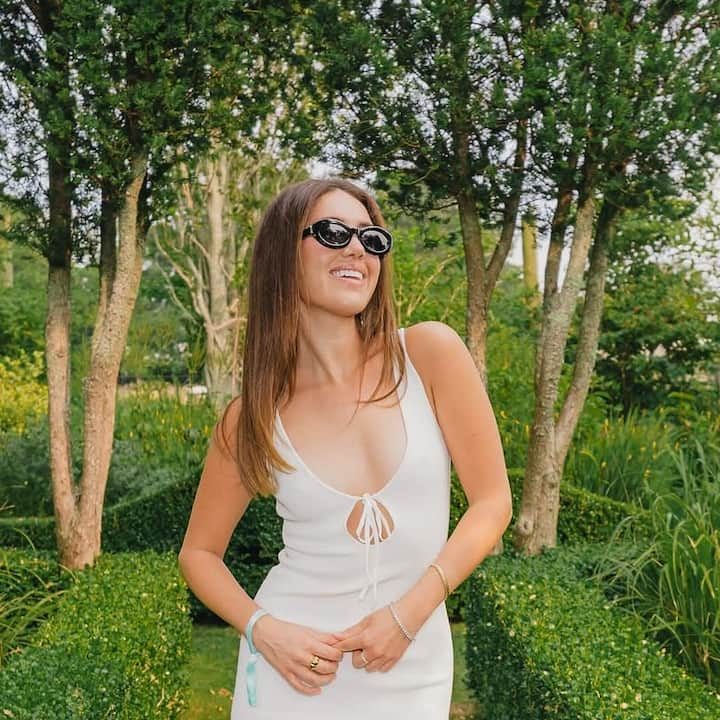
Airbnb leaned into lifestyle storytelling over traditional travel advertising. The content felt aspirational but personal — a balance many brands struggle to strike.
Why it worked: Lifestyle integration without over-commercialisation.
The Bigger Picture
What united the best influencer x brand collaborations of 2025 wasn’t scale – it was intention.
Creators were treated as partners, not placements. Formats were respected. And commercial goals didn’t come at the expense of creative trust.
For brands, agencies and talent managers, the takeaway is simple:
The future of influence belongs to those who understand creators aren’t just media – they’re culture builders.


